Discover proper technique, essential equipment and lasting health benefits.
The simple act of skipping transforms an ordinary afternoon into a vigorous full-body workout that burns calories at an astonishing rate. When you decide to jump rope, you engage nearly every muscle group in your body simultaneously. Your calves work overtime with every bounce, your shoulders maintain a steady rhythm and your core muscles fire continuously to keep you balanced throughout the session. This efficient combination makes it one of the most effective cardiovascular exercises available to anyone who wants to improve fitness without expensive equipment or a gym membership. The beauty of this activity lies in its accessibility. All you need is a rope, a flat surface and the willingness to step outside.
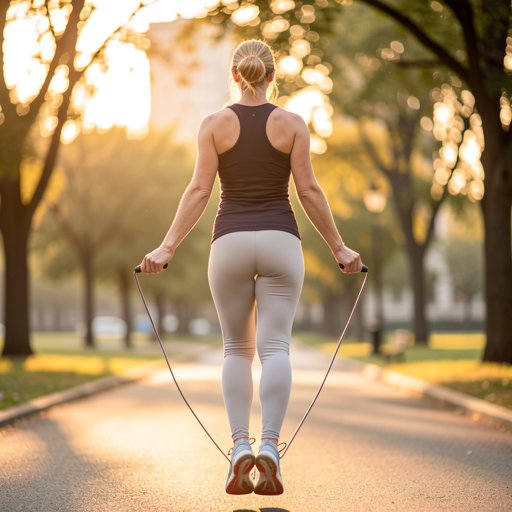
Children have been skipping and bouncing with skipping ropes for generations, learning coordination and rhythm before they can even read. Adults pick it up just as easily, finding that the learning curve is remarkably gentle compared to other sports that demand complex technique or years of dedicated practice. Research has consistently demonstrated that regular skipping delivers remarkable benefits for cardiovascular health, bone density and mental clarity. Studies conducted at various universities show that participants who incorporated jump rope workouts into their routines experienced improved lung capacity, stronger bones and significantly better coordination within just a few weeks of consistent practice. The rhythmic nature of the activity triggers the release of endorphins that elevate mood and reduce stress levels. Many people report feeling a meditative quality to their sessions, where the repetitive motion creates a calming effect similar to deep breathing exercises or slow meditation practices.
🗽
This mental dimension of skipping is often overlooked by beginners who focus solely on the physical benefits. The mental focus required to maintain rhythm and timing forces the mind to stay present, creating a natural escape from daily worries and responsibilities. Proper technique matters enormously, even for beginners who simply want to get started. Holding the rope handles at shoulder width, keeping elbows close to the sides and allowing the wrists to do the actual rotation rather than swinging the entire arm produces the smoothest and most efficient form. Beginners should start slowly, building up duration gradually rather than attempting extreme sessions on day one.
🏋🏼♂️
A reasonable goal is two or three minutes of continuous jumping with brief rest breaks, working toward longer sessions as stamina improves naturally over several weeks. The rope length should be adjusted so that the handles reach somewhere between the armpits and the mid-chest when standing on the center of the rope. This measurement ensures comfortable clearance and prevents frustrating tripping that can discourage newcomers before they develop basic competence. Choosing the right equipment enhances the entire experience and prevents common injuries that plague inexperienced users. A quality weighted rope provides better feedback about timing and speed, while a speed rope with ball bearings at the handles allows faster rotation for more advanced training.
🥊
The surface you jump on matters just as much as the rope itself. Concrete is harsh on joints, while grass or dirt softens impact considerably. Many enthusiasts invest in a thin exercise mat that provides cushioning without creating an unstable surface. Skipping also strengthens the ankles and feet, which means those areas need time to adapt to the impact. People returning from injury or those with existing joint concerns should consult a physician before beginning any jumping program and consider starting with a low-impact alternative until fitness levels improve sufficiently.